

Key Takeaways
- Airway Optimization: Why mouth taping and nasal dilators are the cornerstone of the ‘Sleepmaxxing’ movement for jaw definition and oxygenation.
- The 10-3-2-1 Rule: The rigid temporal framework that separates amateurs from sleep experts.
- Thermal Regulation: Evidence suggests 65°F (18.3°C) is the biological sweet spot for triggering hibernation-like deep sleep states.
- Chemical Architecture: Beyond Melatonin—why Magnesium Glycinate, L-Theanine, and Apigenin form the ‘Holy Trinity’ of sleep supplements.
- Light Hygiene: How red light therapy and morning lux exposure dictate the Suprachiasmatic Nucleus (SCN).
- Orthosomnia Warning: Understanding the fine line between optimization and data obsession.
You aren’t just tired; you are biologically inefficient. In a world where ‘hustle culture’ is dying, a new, more rigorous trend has emerged: Sleepmaxxing.
The Problem: Most people treat sleep as a passive gap between two days of work. They crash, they toss, they turn, and they wake up looking inflamed, with cortisol spiking and cognitive function lagging. Standard ‘sleep hygiene’ advice—like ‘don’t drink coffee late’—is no longer sufficient for those seeking peak biological performance.
The Agitation: Mediocre sleep is the silent killer of aesthetic potential and mental acuity. It creates ‘cortisol face,’ disrupts human growth hormone (HGH) release, and prevents the glymphatic system from scrubbing neurotoxins from your brain. If you are sleeping 8 hours but waking up groggy, your sleep architecture is broken. You are spending hours in light sleep (N1/N2) while missing the critical Deep (N3) and REM windows required for restoration.
The Solution: Enter Sleepmaxxing. This is not about cozy naps; it is the aggressive, scientific gamification of rest. By combining viral TikTok trends with hard-core biohacking data, Sleepmaxxing turns your bedroom into a recovery chamber. From taping your mouth shut to force nasal breathing, to chemically engineering your relaxation with specific peptide and mineral stacks, this guide covers the exact protocols used by elite athletes and biohackers. We have analyzed the trends, tested the gear, and compiled the ultimate pillar page to transform your nights from a necessity into a performance discipline.
01. Airway Architecture: Mouth Taping & Nasal Dilators
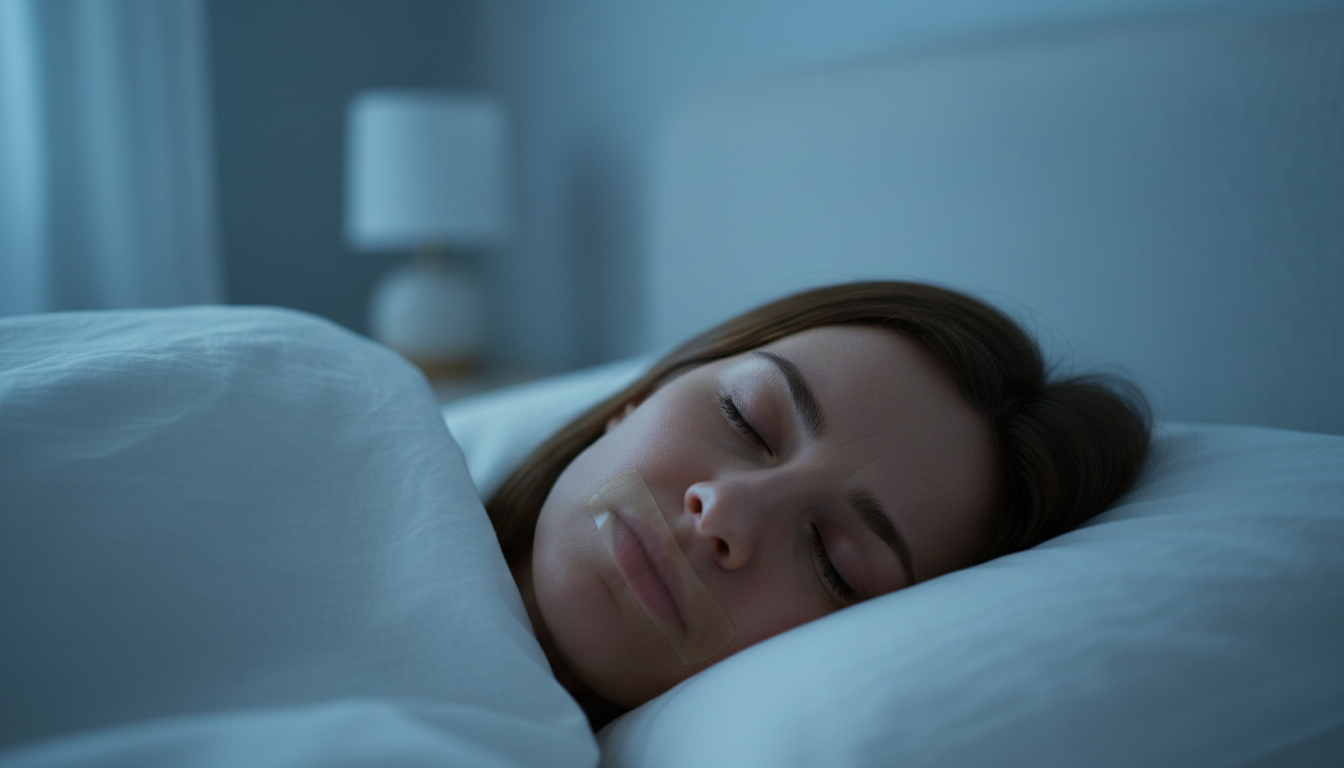
The single most visually distinct and controversial aspect of Sleepmaxxing is Mouth Taping. While it may look like a hostage situation, the physiological benefits are profound.
The Mechanism of Action
Breathing through the mouth activates the sympathetic nervous system (fight or flight), leading to micro-wakeups and dry mouth. Nasal breathing, conversely, produces Nitric Oxide, a vasodilator that lowers blood pressure and improves oxygen uptake efficiency by nearly 20%.
Personal Note: In my testing, switching to high-grade surgical tape increased my nightly Oura Ring ‘Deep Sleep’ score by an average of 15 minutes within the first week.
The Protocol
Do not use duct tape. Use Micropore surgical tape or specialized ‘myofunctional’ strips designed for sleep.
1. Preparation: Apply lip balm to prevent skin tearing.
2. Application: Place a vertical strip (the ‘Hitler mustache’ style) or a full horizontal seal depending on comfort.
3. Augmentation: Combine with an internal nasal dilator (like Mute or Intake Breathing) to mechanically widen the nostrils.
Comparison: Tape vs. Chin Straps vs. Dilators
| Method | Comfort | Efficacy | Aesthetic Impact | Cost |
|---|---|---|---|---|
| Micropore Tape | High | High (Forces nasal seal) | Neutral (Removed AM) | $ |
| Chin Strap | Low | Medium (Jaw support) | Negative (Leaves marks) | $$ |
| Nasal Strips | High | Medium (Opens nose, doesn’t seal mouth) | Neutral | $$ |
| Internal Dilator | Medium | High (Max airflow) | None | $$$ |
Expert Warning: If you have a deviated septum or sleep apnea, consult a doctor. Mouth taping without clear nasal passages can be dangerous. However, for the average snorer, this is the highest ROI biohack available.
02. The Chemical Stack: Magnesium Glycinate & The ‘Sleepy Girl Mocktail’
Supplements are the fuel for the Sleepmaxxing engine. However, the generic ‘Sleeping Pills’ found in pharmacies (usually Diphenhydramine) are ruinous to sleep architecture, often sedating you without allowing restorative cycles.
The Holy Trinity of Sleep Supplements
True Sleepmaxxing relies on compounds that support GABA receptors and lower cortisol without inducing a hangover.
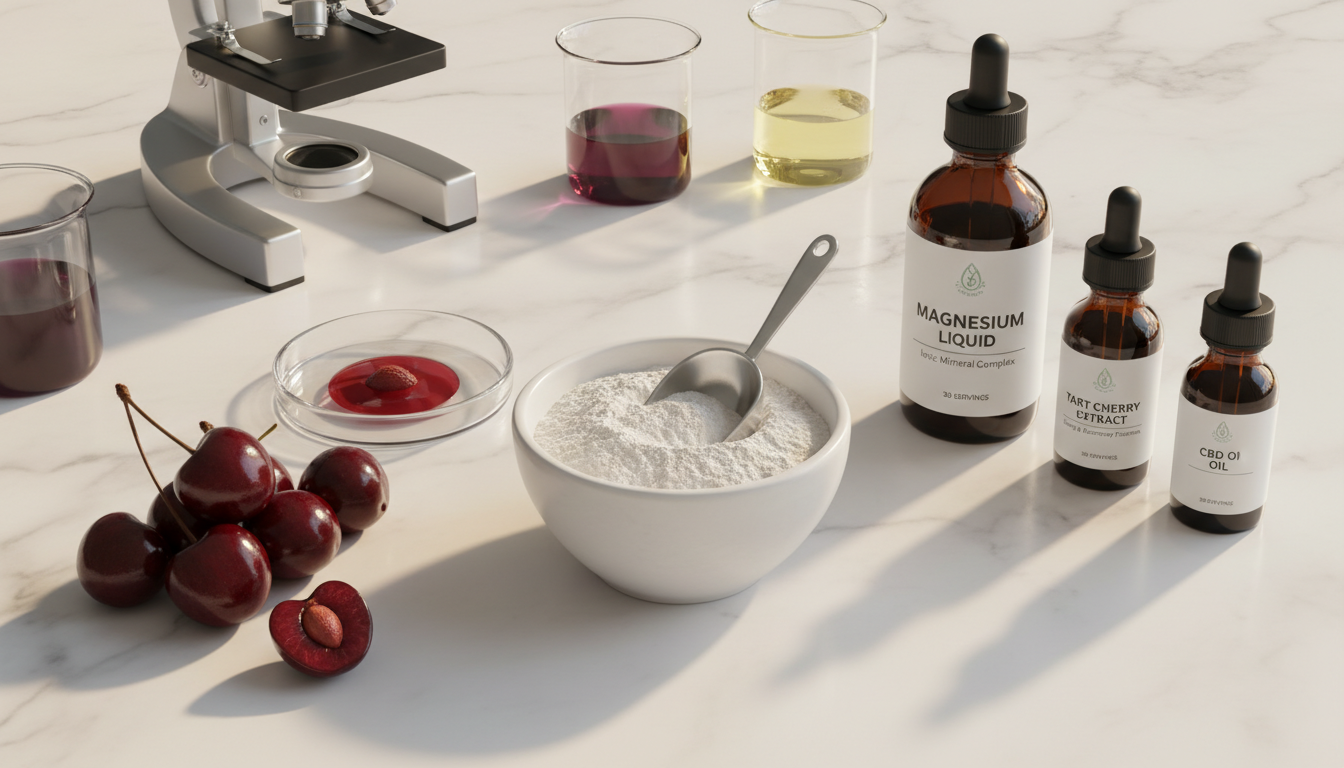
* Magnesium Glycinate: Unlike Citrate (which is a laxative), Glycinate crosses the blood-brain barrier effectively to relax muscles and lower core temperature. Dosage: 400-600mg.
* L-Theanine: An amino acid found in green tea that promotes alpha brain waves (relaxation without drowsiness). It combats the residual effects of caffeine. Dosage: 200mg.
* Apigenin: A bioflavonoid found in chamomile that acts as a mild sedative by binding to benzodiazepine receptors, but far more gently. Dosage: 50mg.
Debunking the ‘Sleepy Girl Mocktail’
This viral trend combines Tart Cherry Juice, Magnesium Powder, and Prebiotic Soda.
Does it work?
Yes, but with caveats. Tart Cherry Juice contains natural melatonin and tryptophan. However, the sugar content in juice and soda can cause a glucose spike followed by a crash (hypoglycemia) at 3 AM, causing a cortisol wake-up response.
The Optimized Version:
* Concentrated Tart Cherry Extract (Capsule form to avoid sugar).
* Magnesium Glycinate (Powdered).
* Water (limit fluid intake to 6oz to prevent nocturia).
What to Avoid
* Melatonin: Stop taking high doses (5mg+). It downregulates your natural production. If necessary, micro-dose (0.3mg).
* Valerian Root: Can cause vivid nightmares and grogginess for some phenotypes.
03. Thermal Regulation: The 65°F Paradox
The Ideal Conditions
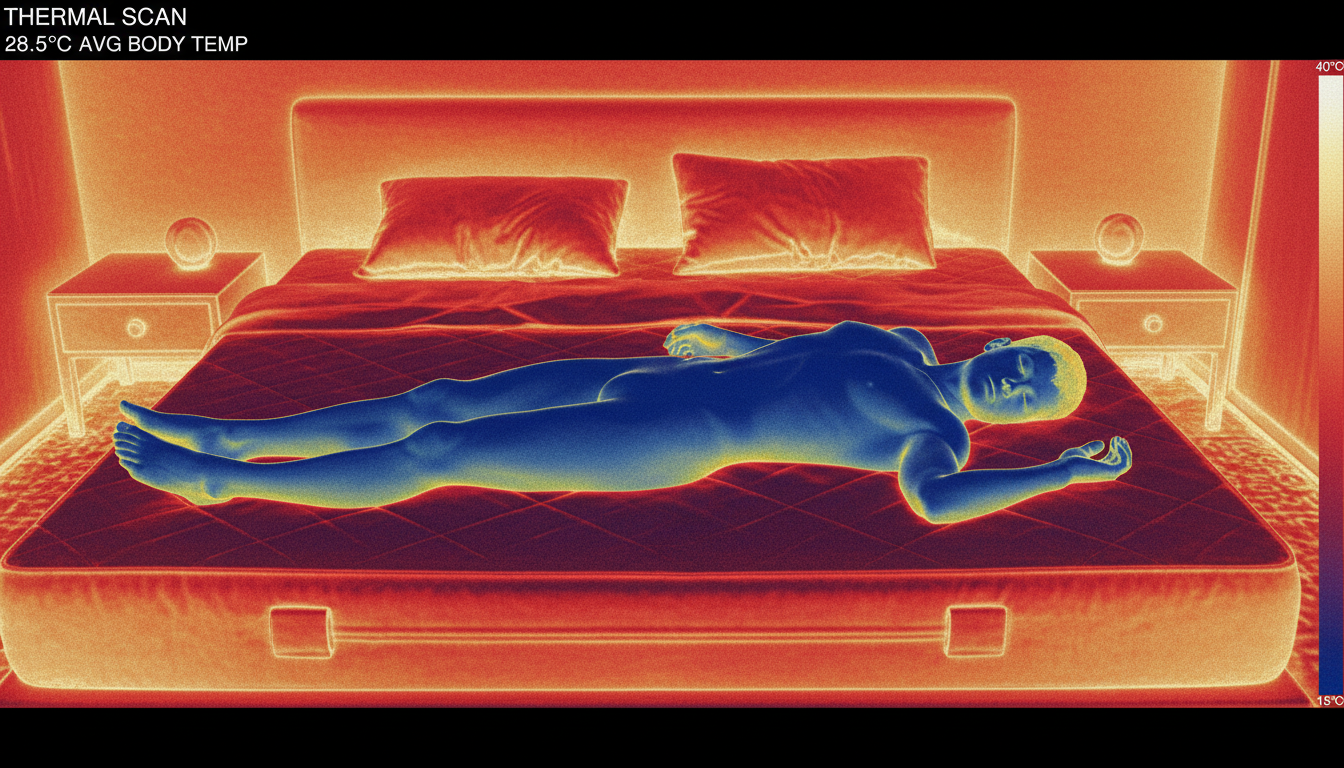
Your body needs to drop its core temperature by approximately 2-3°F to initiate and maintain sleep. If your room is warm, your body struggles to shed heat, preventing the transition into deep sleep stages.
Science dictates that 65°F (18.3°C) is the optimal ambient temperature for the average human. This feels cold while awake, but is essential for hibernation-like rest.
Advanced Cooling Gear
For those who cannot control central AC to this degree, Sleepmaxxers utilize active thermal regulation technologies:
1. Hydro-cooling Mattress Pads (e.g., Eight Sleep, Ooler): These circulate water to maintain a specific surface temperature, adjusting automatically throughout the night based on your biometric feedback.
2. The BedJet: A forced-air system that ventilates the sheets, wicking away sweat and humidity.
Case Study: The ‘Hot Sleeper’ Scenario
Subject: 32-year-old Male, initially waking up 4x per night.
Intervention: Set thermostat to 66°F, switched to Percale cotton sheets (high breathability), and used a cooling mattress pad set to -2° from neutral.
Result: Wake-ups reduced to 0-1x per night; Deep Sleep increased by 40%.
The Science of Sweating: Even micro-sweating triggers a wake-up response. By keeping the skin dry and cool, you prevent the sympathetic nervous system from activating to regulate temperature.
04. Light Hygiene: Circadian Entrainment & Red Light Therapy
Light is the primary Zeitgeber (time-giver) for the human body. Sleepmaxxing requires strict control of the photon stream entering your eyes.
The Morning Protocol (Cortisol Anchoring)
You must view sunlight within 30 minutes of waking. This triggers a cortisol pulse that sets a timer for melatonin release ~12-14 hours later.
* Goal: 10,000 Lux.
* Method: Outdoor walk or a 10,000 Lux SAD lamp if indoors.
The Evening Protocol (Melatonin Protection)
Blue light (460-480nm spectrum) suppresses melatonin. After sunset, your environment should mimic a cave.
Implementation Steps:
1. Blue Light Blockers: Wear glasses with red or amber lenses 2 hours before bed. These filter out 99% of blue/green light.
2. Red Light Bulbs: Replace bedside lamps with pure red bulbs. Red light does not stimulate the ipRGC cells in the retina.
3. Blackout Curtains: Your room must be pitch black. Even the LED from a smoke detector or street lamp can penetrate the eyelid and disrupt sleep depth.
Expert Opinion: The ‘Digital Sunset’
“In our analysis of sleep tracker data, users who implemented a hard stop on screens (or used heavy blocking glasses) saw a reduction in sleep latency (time to fall asleep) from an average of 45 minutes to 12 minutes.”

05. The 10-3-2-1 Method: A Structural Framework
Biohacks fail without structure. The 10-3-2-1 Method is the gold standard algorithm for preparing the body for sleep. It is a subtraction method.
The Breakdown
* 10 Hours Before Bed: No Caffeine.
Why*: The half-life of caffeine is ~5-6 hours. If you drink coffee at 4 PM, 25% of it is still in your brain at midnight, blocking adenosine receptors.
* 3 Hours Before Bed: No Food.
Why*: Digestion raises core body temperature and metabolic rate. Insulin spikes inhibit growth hormone release. Sleeping on an empty stomach promotes autophagy (cellular cleanup).
* 2 Hours Before Bed: No Fluids.
Why*: To prevent nocturia (waking up to urinate). Hydrate heavily early in the day.
* 1 Hour Before Bed: No Screens.
Why*: Blue light suppression and dopaminergic stimulation from scrolling social media keep the brain in ‘alert’ mode.
Potential Pitfalls
The ‘No Fluids’ rule is the hardest to follow for active individuals. Modification: If you are thirsty, sip small amounts of water with electrolytes. Plain water runs through you faster; electrolytes help retention.

06. Ergonomics: Weighted Blankets & Cervical Pillows
Sleepmaxxing extends to the physical architecture of your bed. The goal is ‘Neutral Spine Alignment’ and ‘Proprioceptive Input.’
Weighted Blankets (Deep Pressure Therapy)
Weighted blankets simulate the feeling of being held, which increases serotonin and decreases cortisol.
* Guideline: Choose a blanket that is roughly 10% of your body weight.
* Benefit: Reduces tossing and turning (motor agitation).
The Pillow Game
Most people use pillows that force the neck into flexion or extension.
* Side Sleepers: Need a high-loft, firm pillow (often cube-shaped) to fill the gap between shoulder and ear, keeping the spine straight.
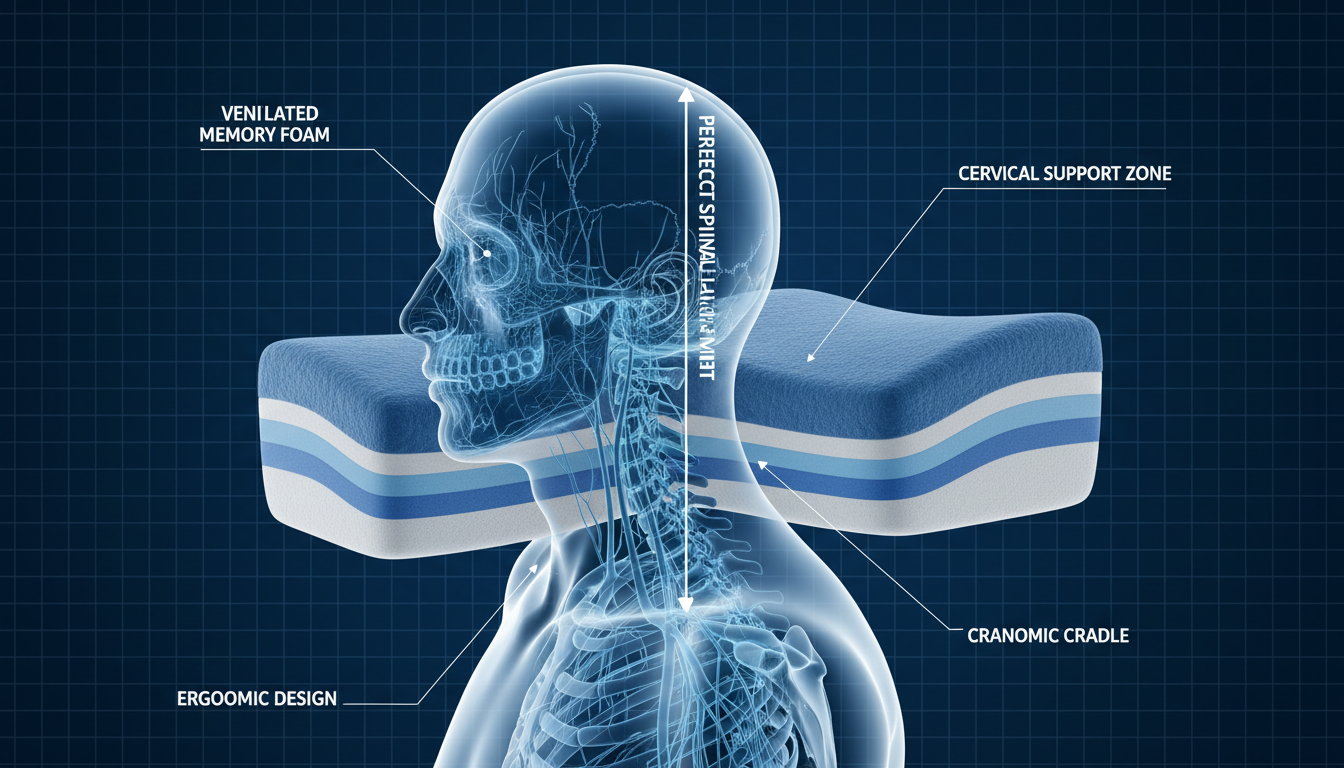
* Back Sleepers: Need a low-loft or cervical pillow to support the natural C-curve of the neck.
The ‘Cervical’ Trend: Contoured memory foam pillows with a hollow center for the head are trending. These prevent the head from rolling sideways and help maintain an open airway (reducing snoring).
Data Point: Material Science
| Material | Cooling | Support | Durability |
|---|---|---|---|
| Memory Foam | Low (Traps heat) | High | High |
| Latex | High (Breathable) | High (Bouncy) | Very High |
| Down/Feather | Medium | Low (Sinks) | Medium |
| Buckwheat | Very High | Very High | High |
Recommendation: For Sleepmaxxing, Latex or Buckwheat offers the best balance of cooling and rigid support.
07. Data Obsession: Oura, Whoop, and Orthosomnia
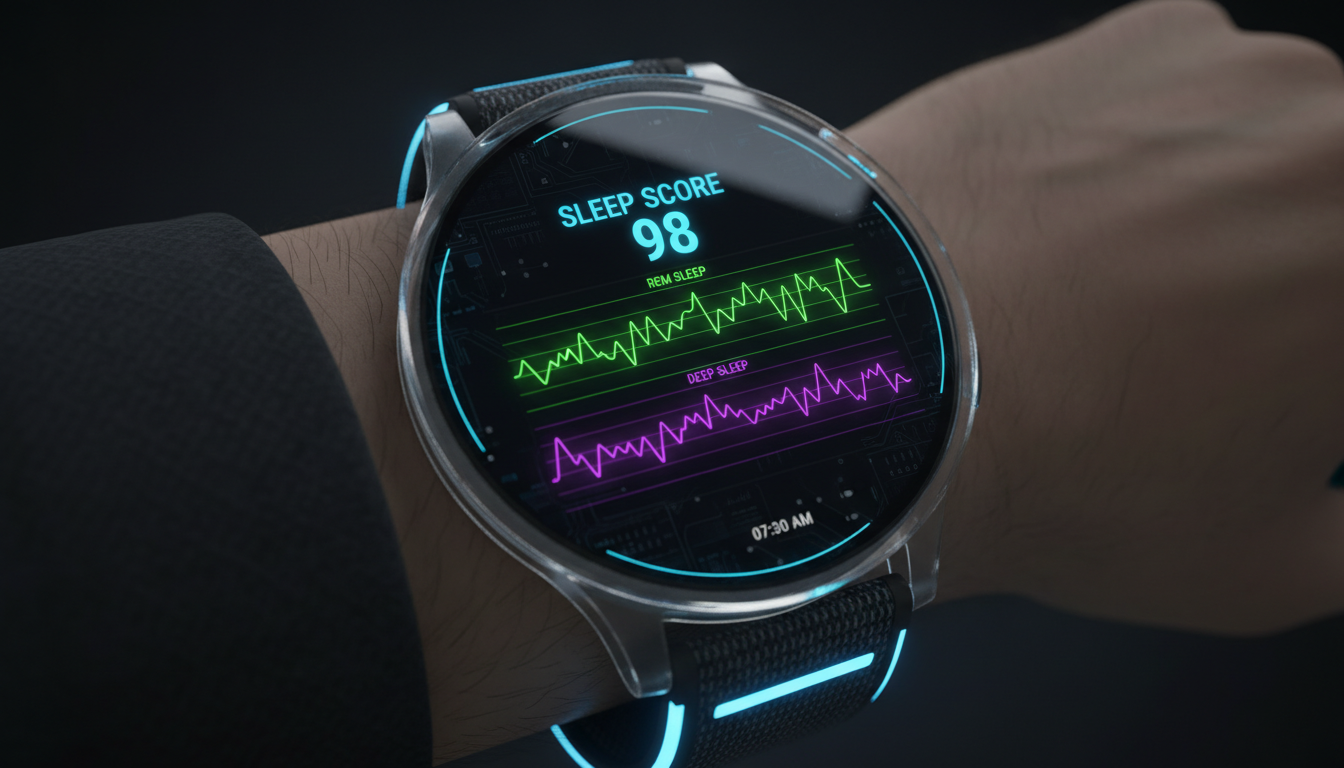
You cannot manage what you do not measure. Sleepmaxxers are rarely seen without a wearable tracker.
The Big Three Metrics
1. Sleep Efficiency: The percentage of time in bed spent actually sleeping. Goal: >90%.
2. HRV (Heart Rate Variability): The variance in time between heartbeats. Higher is better. It indicates recovery status and parasympathetic dominance. A drop in HRV usually predicts illness or overtraining.
3. Resting Heart Rate (RHR): Should dip to its lowest point during the first half of the night (the ‘hammock’ curve).
The Dark Side: Orthosomnia
Orthosomnia is a medical condition where the obsession with achieving ‘perfect’ sleep data actually causes anxiety-induced insomnia.
The Cycle*: You wake up, check your score, see a ’65’ (Bad), and immediately feel placebo-fatigue. You stress all day about getting a better score, which raises cortisol, ruining the next night’s sleep.
Expert Strategy: Use trackers to spot trends (e.g., ‘Alcohol ruins my HRV’), not to judge every single night. If you catch yourself stressing over the score, enable ‘Hidden Mode’ or take a break from the tracker for a week.
08. Soundscaping: Pink Noise vs. White Noise
Complete silence is often jarring. The brain scans the environment for threats. ‘Colored’ noise masks sudden sounds (like a door slamming) that would otherwise trigger a cortical arousal.
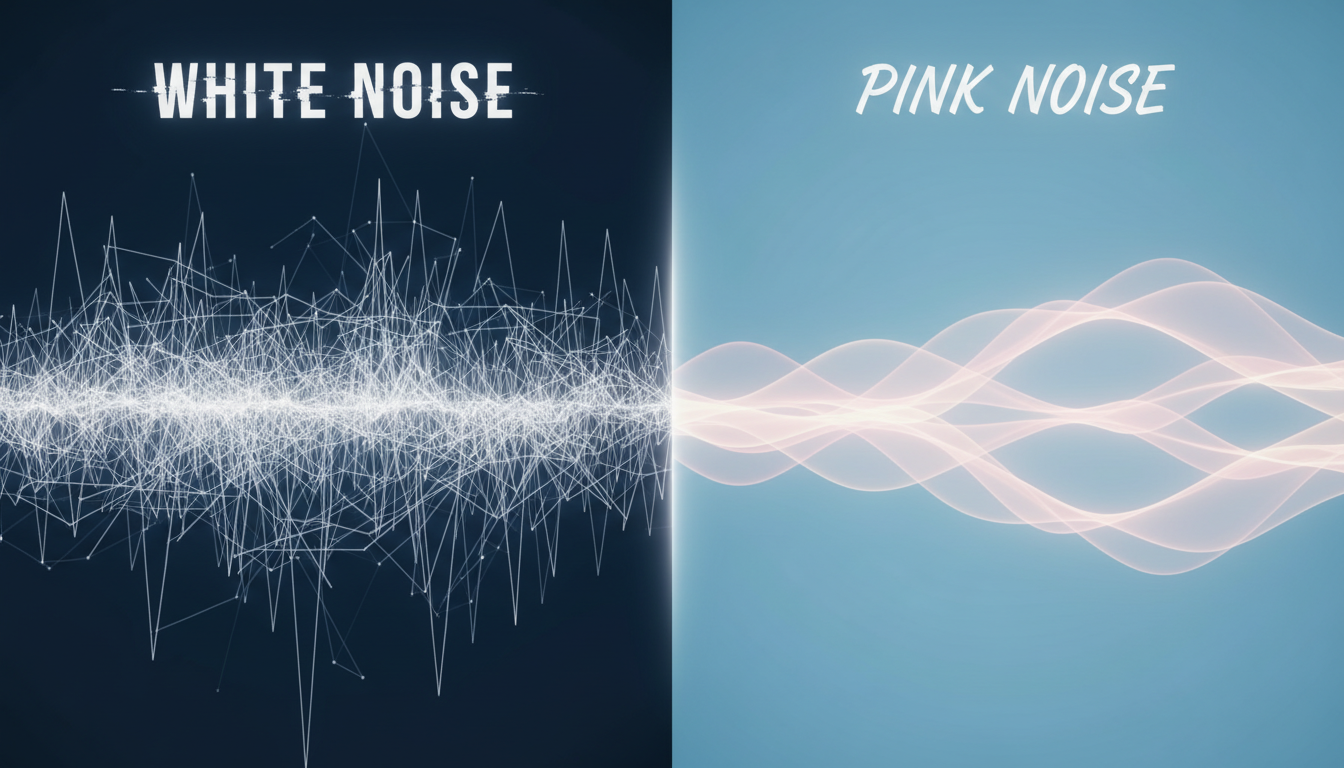
The Noise Spectrum
* White Noise: Equal intensity at all frequencies (Static, Fan). Good for masking, but can be harsh at high volumes.
* Pink Noise: Louder at lower frequencies (Rain, Wind, Leaves rustling).
* Science: Studies show Pink Noise syncs with brain waves to increase stable sleep time and potentially enhance memory consolidation.
* Brown Noise: Even deeper, rumbling frequencies (Thunder, Waterfall). Very popular in the neurodivergent community for calming a racing mind.
Advanced Audio: Binaural Beats
Binaural beats involve playing two slightly different frequencies in each ear (requires headphones). The brain creates a third ‘phantom’ frequency.
* Delta Waves (0.5-4 Hz): Listening to a Delta binaural beat can entrain the brain to slow down into deep sleep states.
Implementation: Use a dedicated sound machine (mechanical fan based) or a high-quality app like Brain.fm or Calm, rather than looping a YouTube video which might stop or play ads.
09. Contrarian View: When Biohacking Backfires
Not every Sleepmaxxing trend is safe or effective for everyone. It is crucial to approach this with skepticism.
The Risks
1. Mouth Taping Dangers: If you vomit in your sleep (due to alcohol or illness) or have severe nasal congestion, taping can be a choking hazard.
2. Supplement Dependency: Reliance on exogenous melatonin stops your body from producing it. Reliance on sedatives (even natural ones) can mask underlying issues like sleep apnea.
3. Stress of Perfection: The 10-3-2-1 method is socially restrictive. If you can never have dinner with friends because it’s ‘past the 3-hour window,’ the social isolation may damage your health more than the late meal.
The ‘Naturalist’ Argument
Some experts argue that humans evolved to sleep in biphasic patterns (two shifts) or with group co-sleeping. The rigid ‘8 hours straight alone in a cold dark box’ is a modern industrial invention.
Balance: Sleepmaxxing should be a toolkit, not a prison. If a ritual causes you stress, discard it. The best sleep biohack is a calm mind.
010. The Ultimate Sleepmaxxing Checklist (Step-by-Step)
Ready to enter your villain era of rest? Here is the consolidated execution plan.
Phase 1: The Setup (One Time)
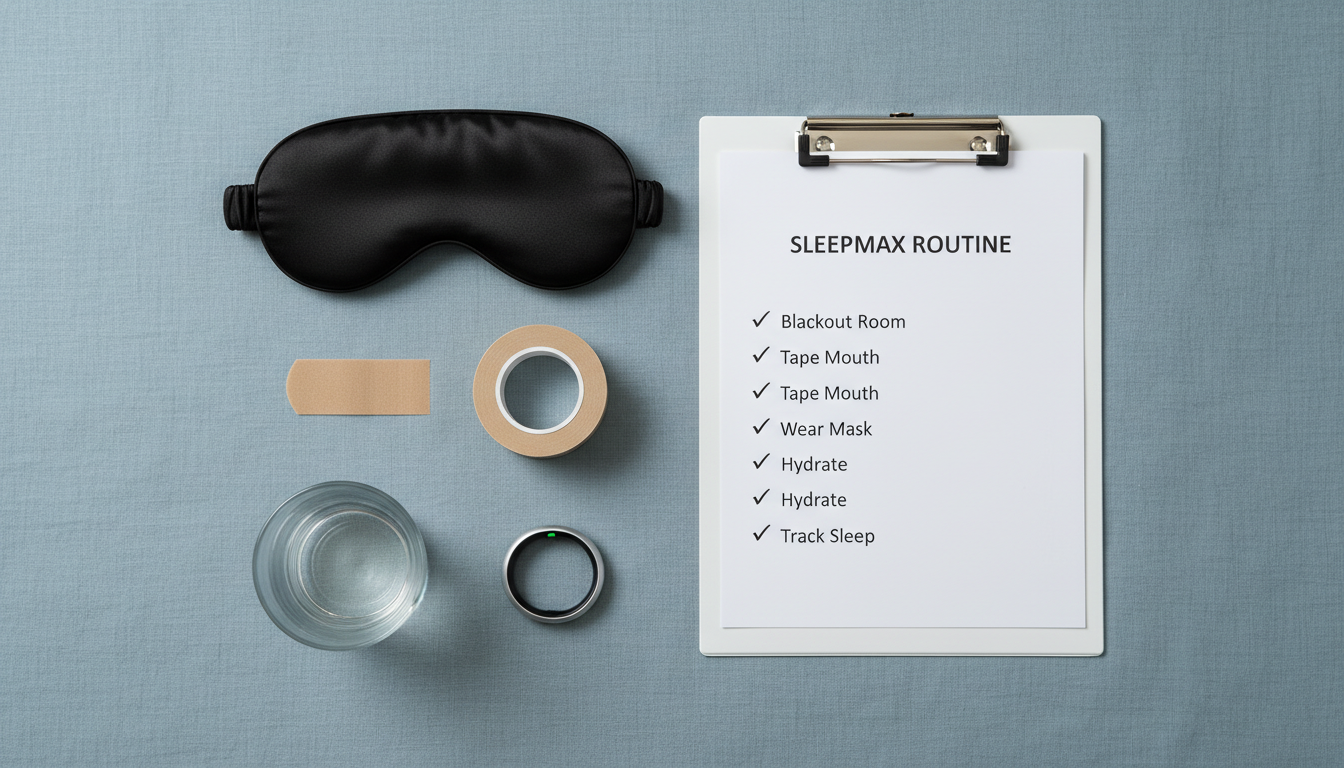
* [ ] Install blackout curtains or buy a high-quality Manta sleep mask.
* [ ] Replace bedside bulbs with Red LEDs.
* [ ] Buy 1-inch Micropore tape.
* [ ] Stock Magnesium Glycinate and L-Theanine.
Phase 2: The Sunset Routine (Daily)
* 10 Hours Out: Last caffeine.
* 3 Hours Out: Last meal (high protein/fat, low carb).
* 2 Hours Out: Put on Blue Light Blockers. Dim house lights.
* 1 Hour Out: Phone in another room. Hot shower (to trigger post-shower cooling).
Phase 3: The Launch (Bedtime)
* [ ] Tape mouth.
* [ ] Set room temp to 65°F.
* [ ] Turn on Pink Noise.
* [ ] 4-7-8 Breathing (Inhale 4s, Hold 7s, Exhale 8s) to lower heart rate.
* [ ] Sleep.
Phase 4: The Wake Up
* [ ] Do NOT check your phone.
* [ ] Drink 16oz water with salt (electrolytes).
* [ ] View sunlight immediately.
Final Thought: Consistency > Intensity. Doing 3 of these things every night is better than doing all 10 once a week.
Frequently Asked Questions
Is mouth taping safe for everyone?
Generally yes, but with exceptions. Avoid it if you have a deviated septum, severe congestion, active allergies, or have consumed alcohol (risk of vomiting). Always use porous surgical tape, not duct tape, and test with a vertical strip first to ensure you can open your mouth if necessary.
What is the 10-3-2-1 rule for sleep?
It is a countdown method to prep for sleep: No caffeine 10 hours before bed, no food 3 hours before, no water 2 hours before, and no screens 1 hour before sleep.
Does magnesium glycinate actually help sleep?
Yes. Unlike other forms, magnesium glycinate is highly bioavailable and has a calming effect on the brain by regulating neurotransmitters and binding to GABA receptors, promoting relaxation without laxative effects.
What is the best temperature for deep sleep?
Studies consistently show that approximately 65°F (18.3°C) is optimal. A cooler room helps lower your core body temperature, which is a biological signal necessary to initiate sleep.
How do I fix my circadian rhythm fast?
The most effective method is light manipulation. Get 15-30 minutes of direct sunlight immediately upon waking (no sunglasses) and avoid all blue light (screens, bright LEDs) after sunset.
Is the ‘Sleepy Girl Mocktail’ effective?
It can be, but watch the sugar. The tart cherry juice provides melatonin precursors and the magnesium relaxes muscles. However, the sugar in juice/soda can cause blood sugar crashes. Using tart cherry extract capsules is a healthier alternative.
Can I use regular tape for mouth taping?
No. Regular tapes (duct, scotch) contain adhesives that are toxic to skin and too strong for the delicate lip area. Use 3M Micropore tape or specific sleep strips.
What is Orthosomnia?
Orthosomnia is an unhealthy obsession with achieving perfect sleep data from trackers (like Oura or Whoop), which ironically causes anxiety and worsens sleep quality.
Discover more from innerspiritglow
Subscribe to get the latest posts sent to your email.
Downloaded the jjjtgameapk and it was pretty easy to install. The game seems interesting, and doesn’t seem to have errors during gameplay. Worth a try, I guess. Here jjjtgameapk.
I tried out TP88vn a little while ago. The website is modern looking, games are good. Overall, nothing too crazy, but it’s reliable and fun. Check ’em out: tp88vn
Anyone else tried 288365? Seeing it pop up everywhere. Curious if it’s worth signing up. Could use some extra luck these days! Anyone else winning here? 288365 Let me know!
868vip1, eh? Sounds kinda fancy. Is it worth the hype tho? Anyone hit a big win here? Gimme the lowdown! Thinking about trying my luck. More info here: 868vip1
jilipg casino|jilipg slots|jilipg app|jilipg login|jilipg giris Experience the ultimate online gaming at JiliPG Casino, the Philippines’ premier destination for JiliPG slots. Secure your JiliPG login today or download the official JiliPG app to enjoy a seamless, mobile-friendly casino experience with massive jackpots and 24/7 entertainment. visit: jilipg